
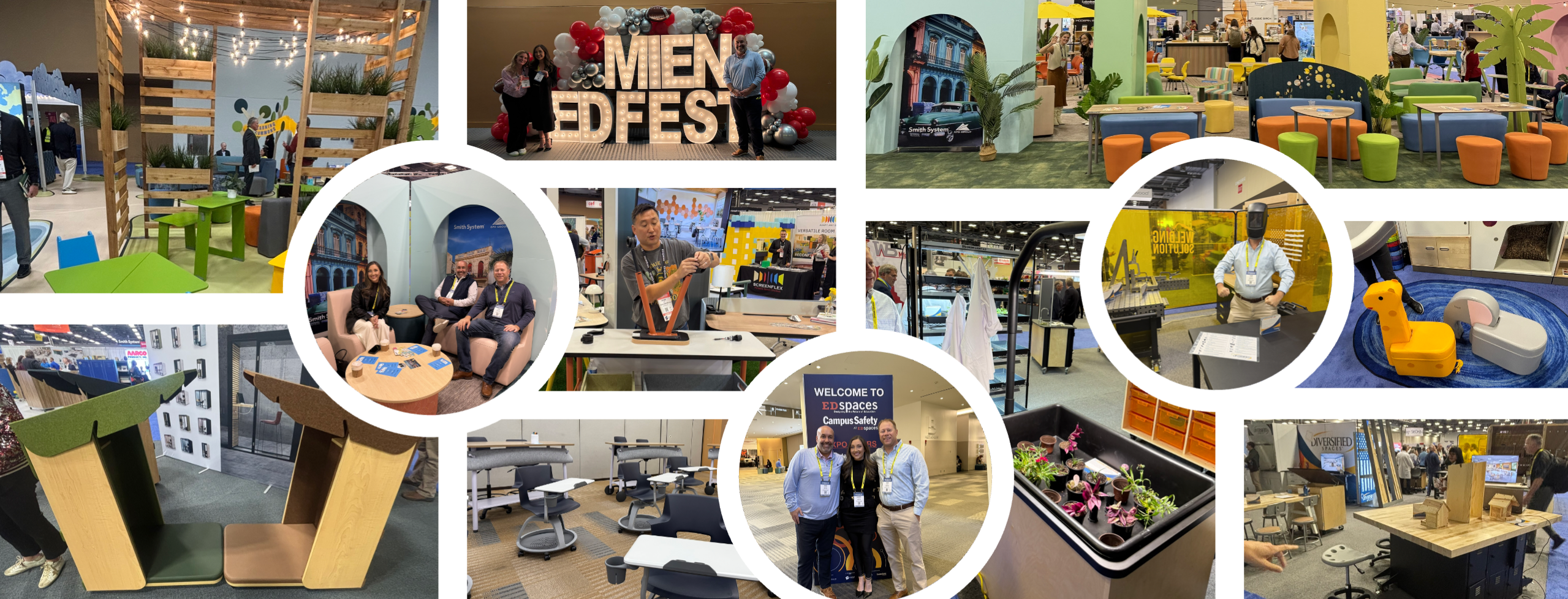
The educational design community converged in Columbus, Ohio, for EDspaces 2025, the leading conference where innovation meets implementation in learning environment design. This premier annual event brings together architects, interior designers, facility planners, educational administrators, manufacturers, and dealers to explore cutting-edge strategies for creating spaces that directly enhance student learning outcomes.
This year’s conference revealed three transformative trends reshaping how we approach educational facility design—each grounded in research, functionality, and the real needs of today’s learning communities.
Function Over Flash: Designing Classrooms for Student Success
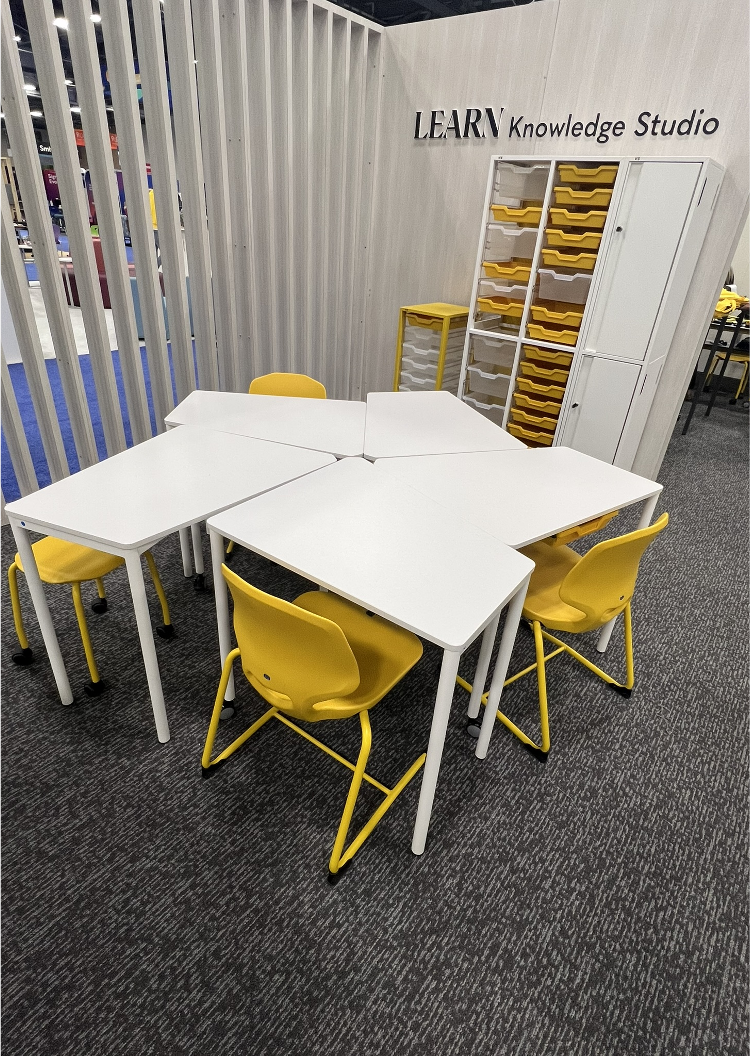
The era of “showroom classrooms” is ending. Today’s most effective learning environments prioritize measurable student outcomes over visual appeal, marking a fundamental shift in educational design philosophy.
Modern classrooms are being reimagined with flexible furniture layouts that adapt to multiple teaching modalities throughout the day. Strategic technology integration supports both collaborative projects and independent learning, while varied seating options accommodate diverse learning styles and physical needs. The emphasis is on creating dynamic spaces that foster creativity, encourage active engagement, and ultimately improve academic achievement.
When classroom design decisions are driven by educational research rather than aesthetics alone, the results speak for themselves: increased student engagement, better collaboration, and improved learning outcomes that extend far beyond the school year.
Educator Wellness Spaces: Addressing the Teacher Mental Health Crisis
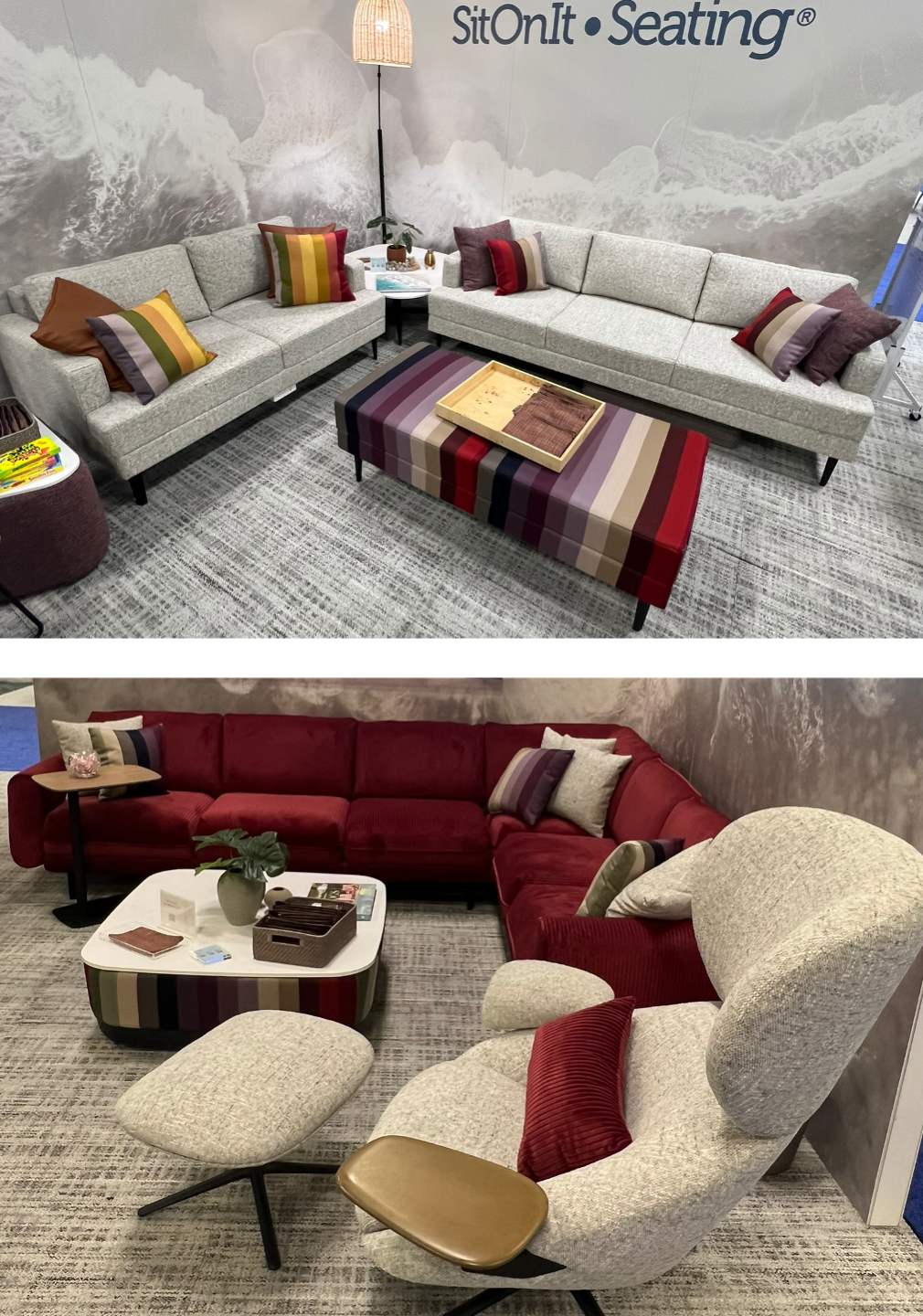 One of the most compelling discussions at EDspaces 2025 centered on respite spaces for educators—a critical yet often overlooked element of school design.
Teaching is one of the most demanding professions, with educators managing classrooms of 20 or more students while navigating diverse learning needs, behavioral challenges, and administrative responsibilities. The conference highlighted how dedicated teacher respite areas provide essential moments for decompression during the school day.
These calming, quiet spaces allow teachers to:
- Reset between demanding classroom periods
- Reflect on challenging situations with clarity
- Recharge their mental and emotional energy
- Reduce chronic stress and prevent burnout
By designing intentional respite environments, schools demonstrate a commitment to educator wellness—which directly translates to better teaching, stronger classroom management, and improved student experiences.
Professional Workspaces for Professional Educators
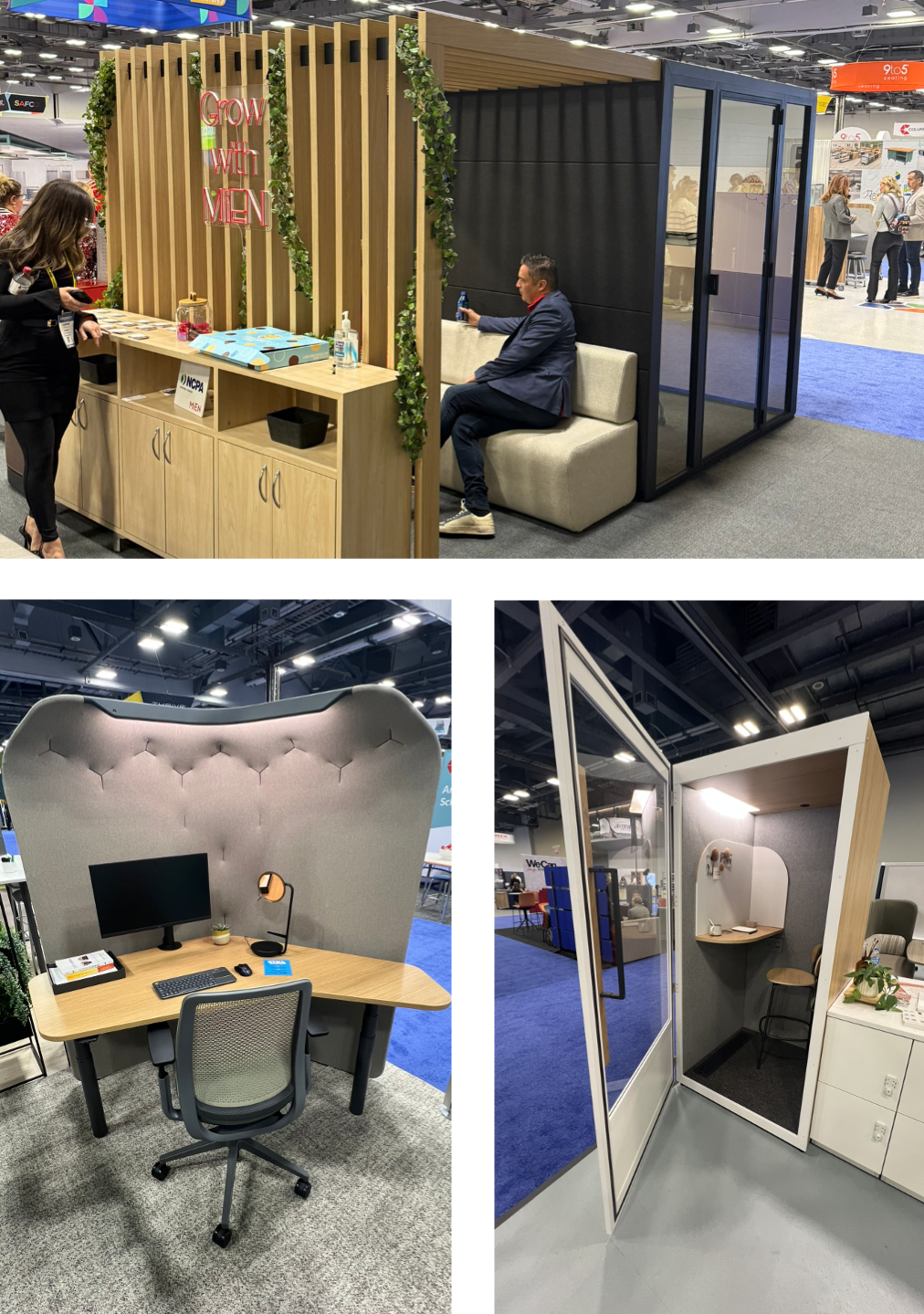 Schools are workplaces for teachers, yet their workspace needs have historically been undervalued. EDspaces 2025 challenged attendees to elevate educator work environments to match the professional nature of teaching.
Beyond the traditional teacher’s desk, educators need functional solutions that support lesson planning, grading, collaboration with colleagues, parent communications, and professional development. Quality furniture, adequate workspace, proper lighting, and organizational systems aren’t luxuries—they’re essential tools that enhance teacher productivity and job satisfaction.
When schools invest in thoughtfully designed educator workspaces, they send a powerful message: teachers are valued professionals whose work conditions matter. This investment creates a ripple effect throughout the entire learning community, benefiting students, families, and the school culture.
Designing the Learning Environments of Tomorrow
The insights from EDspaces 2025 reinforce a central truth: effective educational facility design requires understanding how physical space influences both teaching and learning. Whether you’re planning a renovation, new construction, or simply rethinking existing spaces, these evidence-based approaches offer a roadmap for creating environments where both students and educators thrive.
Download the 2025 EDspaces Solutions Guide
dancker’s education practice area leaders attended EDspaces 2025 to stay at the forefront of learning space innovation. Connect with our team to discover how research-driven design can transform your educational facilities.