

The way we work has undergone significant changes. As hybrid work becomes the new norm, organizations are rethinking what their physical spaces need to accomplish. The challenge is not just about creating offices; it is about creating environments that bring people together, empower flexibility, and support productivity across locations.
That is where holistic, integrated hybrid work solutions matter most. At dancker, we help clients build, connect, and furnish hybrid spaces that adapt to the evolving needs of their people. By combining furniture solutions, technology integration, specialty construction, and logistics, we act as facilitators who help organizations bring their visions to life.
Below are eight proven strategies for creating hybrid workspaces that work better for everyone.
1. Start with a Purpose-Driven Plan
A hybrid workspace strategy begins with purpose. Before rearranging floorplans or investing in new tools, leaders should clearly define why they are transitioning to a hybrid work model. Is the goal to increase collaboration, improve retention, or support employee well-being? Each objective informs different design and technology decisions.
For example, a company focused on collaboration may prioritize meeting zones and interactive technology, while one focused on focused work might invest more in acoustic solutions and quiet areas.
Facilitators like dancker often begin projects with workplace strategy sessions that bring stakeholders together to assess how teams work, what challenges exist, and where friction occurs. These discussions help align culture, operations, and real estate strategies so that every space and system serves a defined purpose.
 2. Prioritize Flexibility and Modularity
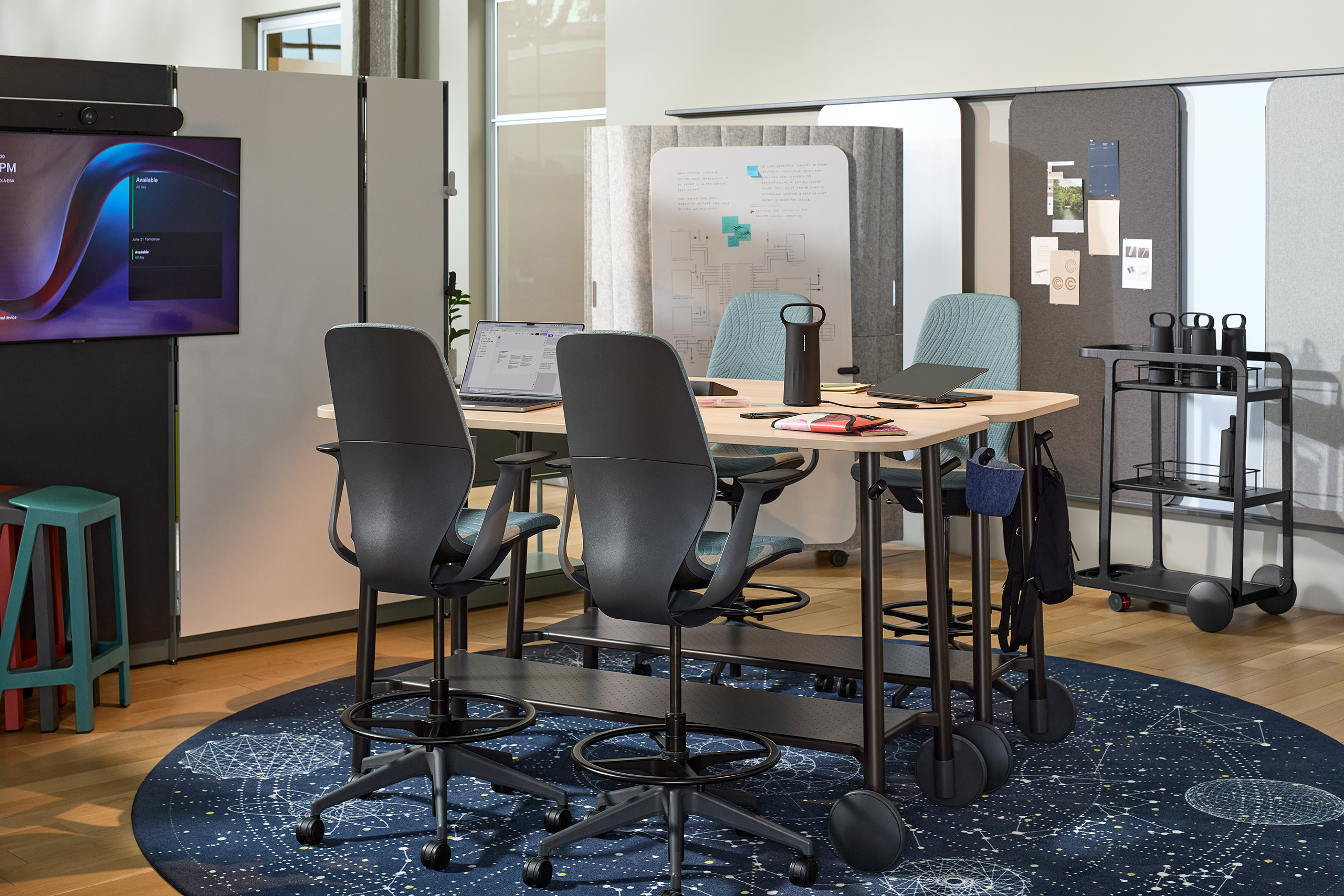
In hybrid environments, flexibility is essential. The ability to quickly reconfigure spaces for different activities helps companies stay agile as teams grow, reorganize, or shift work patterns.
Modular furniture systems, movable partitions, and mobile power solutions are foundational tools for adaptability. For instance, movable glass walls can turn an open area into a private meeting room in minutes, while mobile furniture allows teams to create collaboration zones on demand.
Through its expertise in specialty construction and furniture integration, dancker helps clients design systems that evolve with their organizations, minimizing disruption and long-term cost. Instead of one final design, spaces become living environments that can flex and grow over time.
3. Support Collaboration Through Technology
Hybrid work depends on technology that connects people across locations seamlessly. Yet too often, poor audio, lagging video, or confusing interfaces make collaboration frustrating rather than effective.
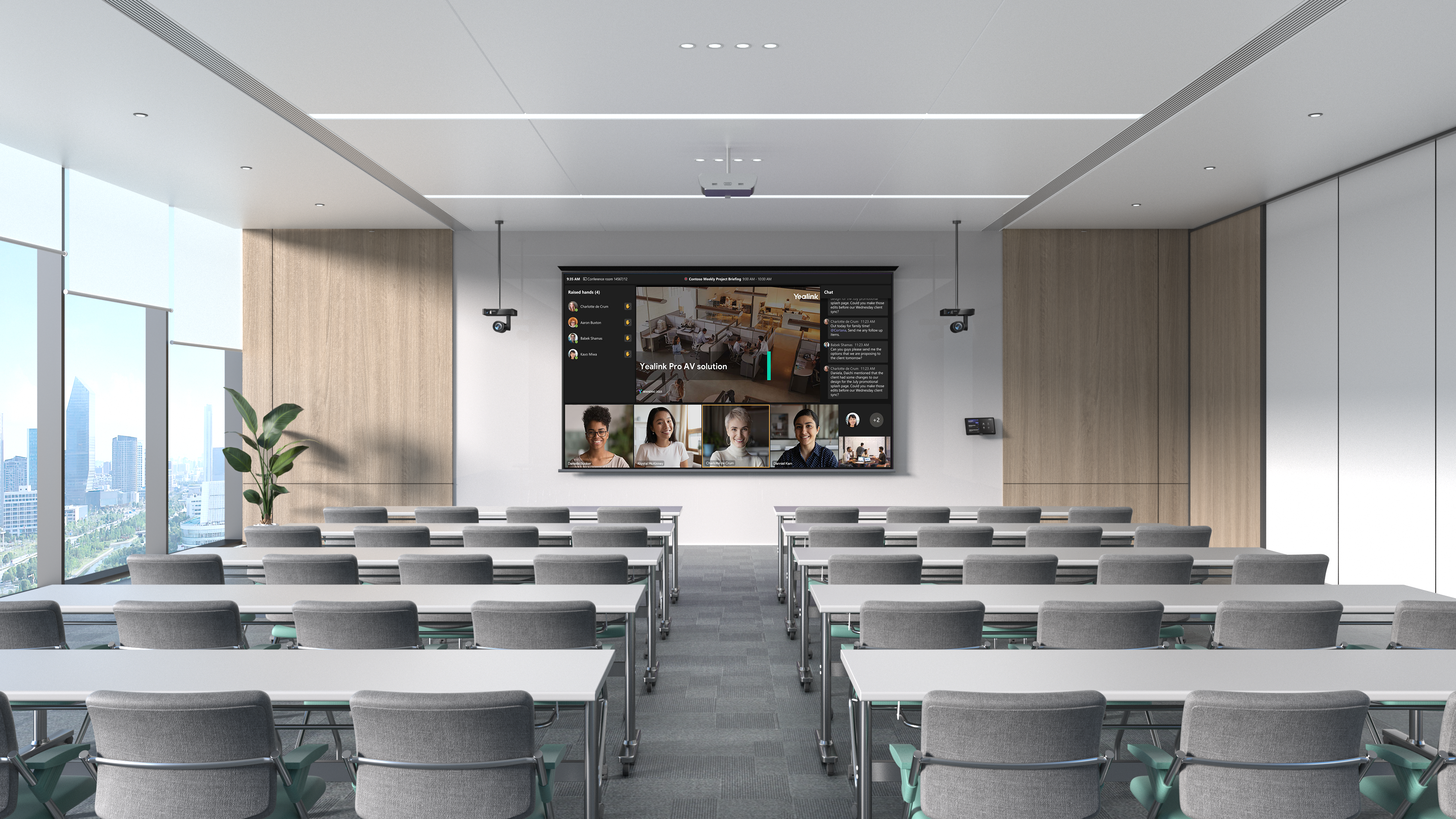 Modern hybrid spaces need thoughtfully integrated solutions such as high-quality audiovisual systems, wireless presentation tools, reliable bandwidth, and software that bridges remote and in-office participation. Meeting rooms should be intuitive, allowing users to start a call with a single touch and focus on content rather than troubleshooting.
DBE Systems, dancker’s workplace technology team, helps organizations achieve this balance by integrating hardware and software into the environment from the start, ensuring visual clarity, sound quality, and ease of use. When technology is frictionless, collaboration becomes effortless and strengthens hybrid teams.
4. Design for Well-Being and Comfort
 Hybrid workplaces succeed when people want to be there. That means prioritizing comfort, wellness, and a sense of belonging. From ergonomic seating and adjustable desks to biophilic elements and enhanced air quality, physical well-being has a direct impact on engagement and performance.
Equally important is psychological comfort. Natural light, acoustic control, and access to quiet spaces reduce stress and boost focus. Offering employees choice—where they can move between lounge settings, collaborative areas, or heads-down work zones—supports different energy levels throughout the day.
At dancker, we help organizations integrate these well-being principles into every phase of planning. By pairing ergonomic furniture solutions with smart technology and thoughtful spatial flow, we help create spaces that encourage healthier, more satisfying work experiences.
5. Create Zones for Different Work Modes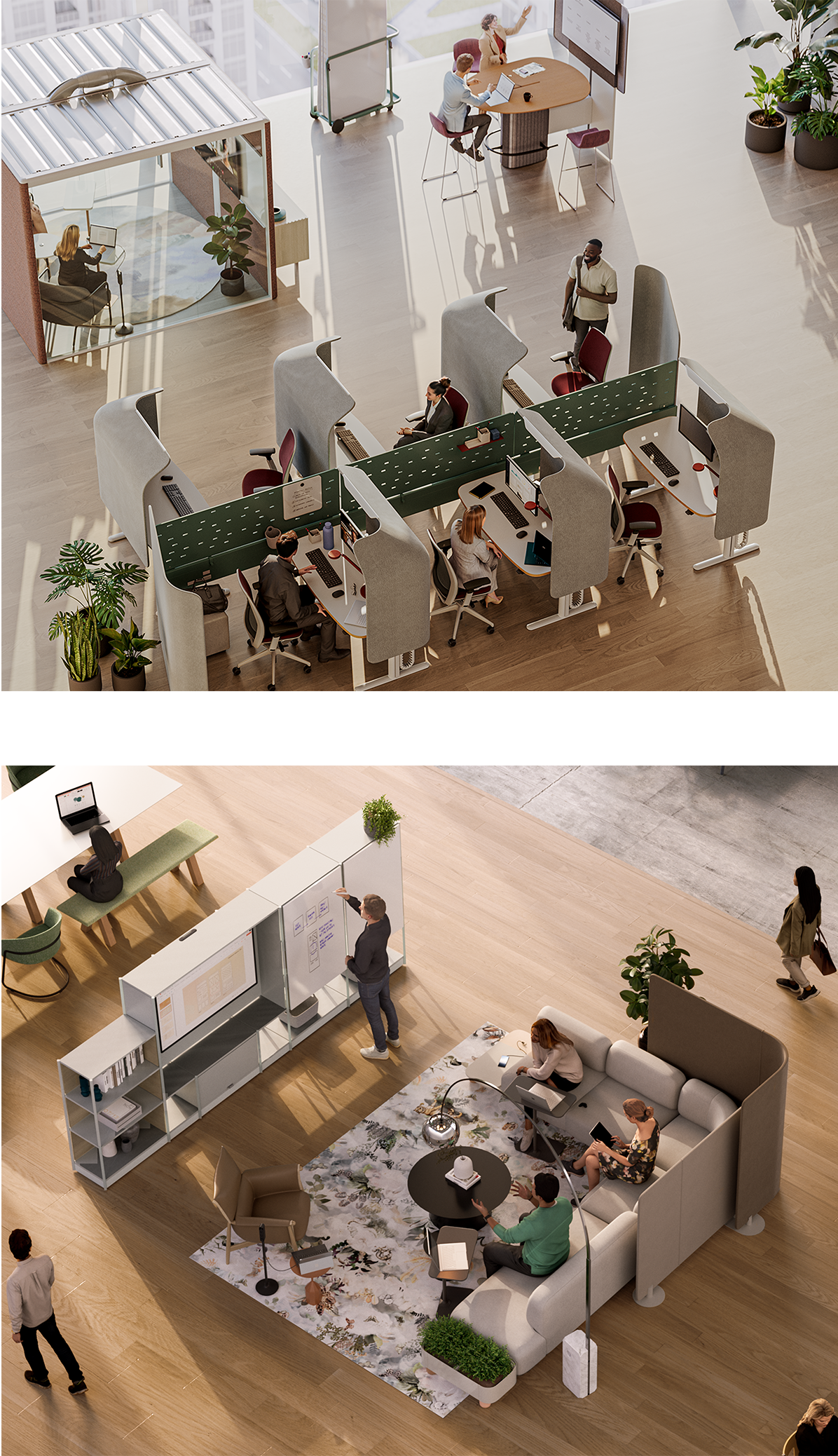
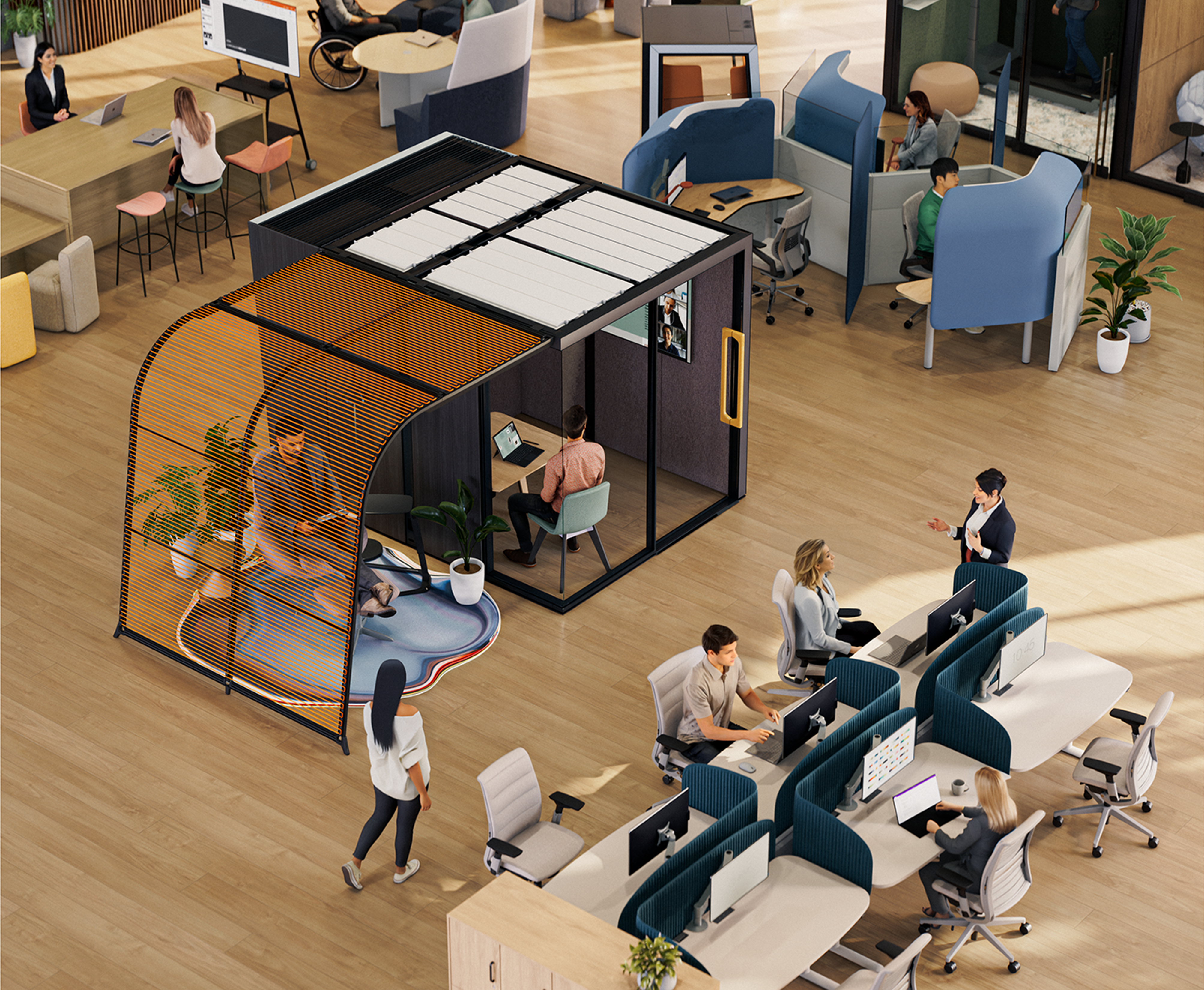
A hybrid office should accommodate multiple modes of work: collaboration, focus, learning, and social interaction. Instead of assigning one layout to all, forward-thinking companies use zoning strategies that give employees autonomy over their environment.
Some examples include:
- Collaborative zones with writable surfaces, video conferencing tools, and flexible seating.
- Focus zones with privacy panels, task lighting, and sound absorption for concentration.
- Social zones like cafés or lounges that build community and informal connections.
dancker facilitates these environments by aligning architectural products and furniture systems into a cohesive ecosystem. The result is not a collection of rooms, but a dynamic space that supports a range of human activities and working styles while optimizing flow and efficiency.
6. Reimagine the Role of the Office
Today’s office is no longer just a place to sit and work; it is a destination for connection, creativity, and culture. With hybrid work, employees may choose when and why they come in, so the space itself must offer value beyond what remote work provides.
Forward-looking organizations are transforming offices into collaboration hubs or innovation centers. These environments encourage chance encounters, team sessions, and mentorship, all of which are vital for sustaining culture.
Through integrated planning and execution, dancker helps clients reimagine offices that draw people in. Whether through welcoming entry zones, flexible meeting suites, or technology-enabled collaboration spaces, the goal is to make the office a magnet, not a mandate.
7. Use Data to Inform Decisions
The hybrid workplace is not static; it evolves in response to changing behavior. To understand how people actually use space, organizations can use occupancy sensors, booking tools, and workplace analytics. These insights reveal how often rooms are used, which zones are overcrowded, and where resources could be reallocated more effectively.
dancker’s logistics and asset management services support clients in turning data into action. By tracking furniture inventory, technology performance, and space utilization, we help organizations make evidence-based decisions that enhance efficiency and reduce waste.
Data-driven insights also guide future investments, enabling leaders to know when to expand, reconfigure, or repurpose areas, rather than relying on guesswork.
 8. Integrate Change Management
Even the most advanced hybrid workspace will underperform if employees are not adequately supported during the change process. Transitioning from traditional office routines to flexible, technology-enabled models requires communication, training, and leadership buy-in.
Change management ensures employees understand new protocols, technology tools, and workspace etiquette. It also helps reinforce the cultural shift toward flexibility and trust.
As facilitators, dancker partners with organizations throughout this process, aligning teams, coordinating technology adoption, and ensuring every stakeholder is engaged. The result is smoother transitions, faster adoption, and greater long-term success.
 The Future of Hybrid Workspaces
Hybrid work is not a passing phase; it is a sustainable model for the future. Organizations that thrive will continue to adapt, creating environments that integrate people, place, and technology into one cohesive ecosystem.
Through its holistic approach, dancker helps clients do more than furnish or build; we help them connect. Our integrated solutions simplify the complex process of creating hybrid environments, empowering people to do their best work, wherever they are.
Frequently Asked Questions
- What defines a hybrid workspace?
A hybrid workspace supports both in-office and remote employees with flexible layouts, integrated technology, and adaptable design features that promote collaboration and focus. - How does dancker help with hybrid workspace implementation?
dancker facilitates hybrid workspace transformation by integrating furniture, technology, logistics, and construction solutions to create connected environments. - What are the main benefits of hybrid workspace design?
Hybrid workspaces improve collaboration, enhance employee satisfaction, optimize space utilization, and help organizations remain agile as needs evolve. - Do hybrid workspaces reduce real estate costs?
Often yes. With activity-based layouts and flexible furniture systems, companies can reduce underused space, leading to better space efficiency and lower overhead. - What is the biggest challenge in creating hybrid workspaces?
Balancing culture, technology, and space strategy. Success requires coordination across departments, an area where dancker’s integrated, facilitative approach delivers measurable value.