
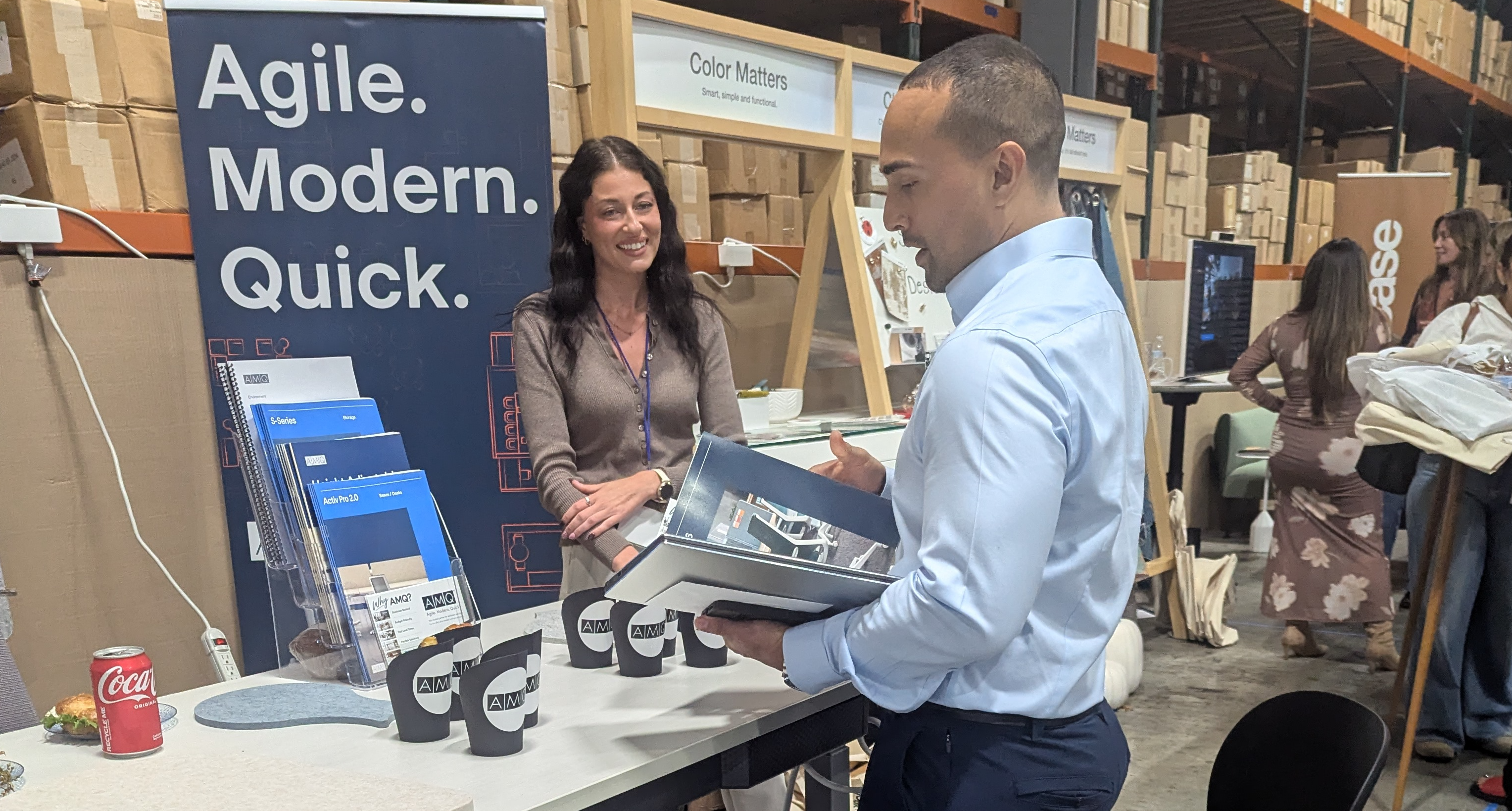
At this year’s danckerCon, one idea connected nearly every conversation, experience, and product on display: connection. The connection between people, spaces, and technology continues to shape how environments are designed, with new solutions complementing existing pieces while offering the scalability and adaptability needed to respond to changing spaces and needs.
The danckerCon experience centered around three themes: Learn, Explore, and Connect. Attendees had opportunities to Learn through CEUs, workplace trends, and industry insights; Explore new ideas and solutions through experiences with strategic furniture and technology partners and dancker brands; and Connect through networking and direct engagement with vendors. Together, these experiences created opportunities to do more than simply see what’s new. They encouraged conversations about where design is heading and how built environments continue to evolve.
Vendor Spotlight
Showing More with Less
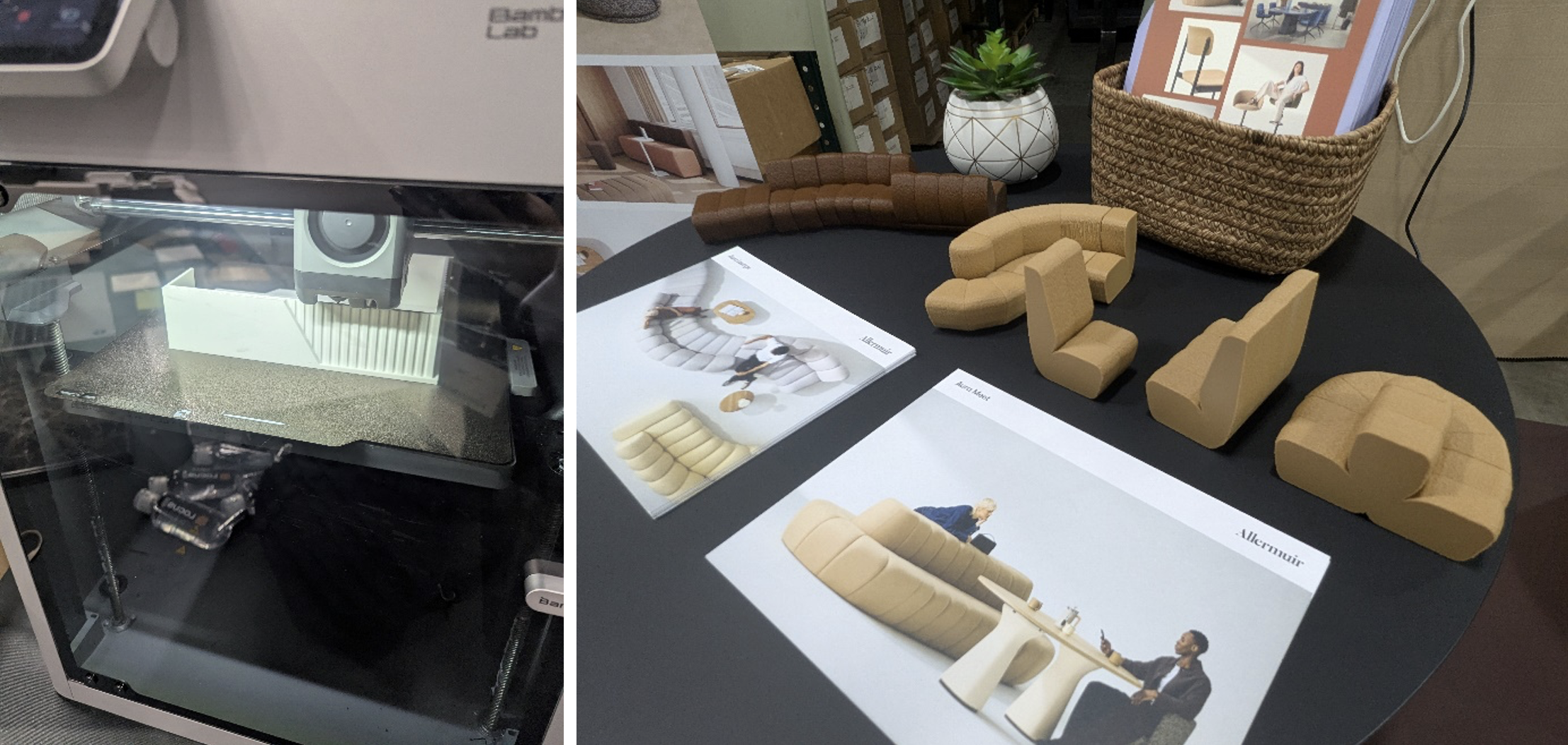
One particularly interesting theme was the use of 3D printing as a design and storytelling tool. Allermuir and Kimball incorporated 3D-printed models as a way to “show more with less,” demonstrating concepts without relying on full-scale installations. Locus Studio took the idea a step further by using a 3D printer to illustrate how quickly a concept can move from an idea to a tangible design.
A Softer, More Human Approach
Across furniture introductions, forms are becoming softer and more curved, creating a more approachable visual language. At the same time, greater user control is being incorporated into products to support ergonomics, personal comfort, and individual preferences.
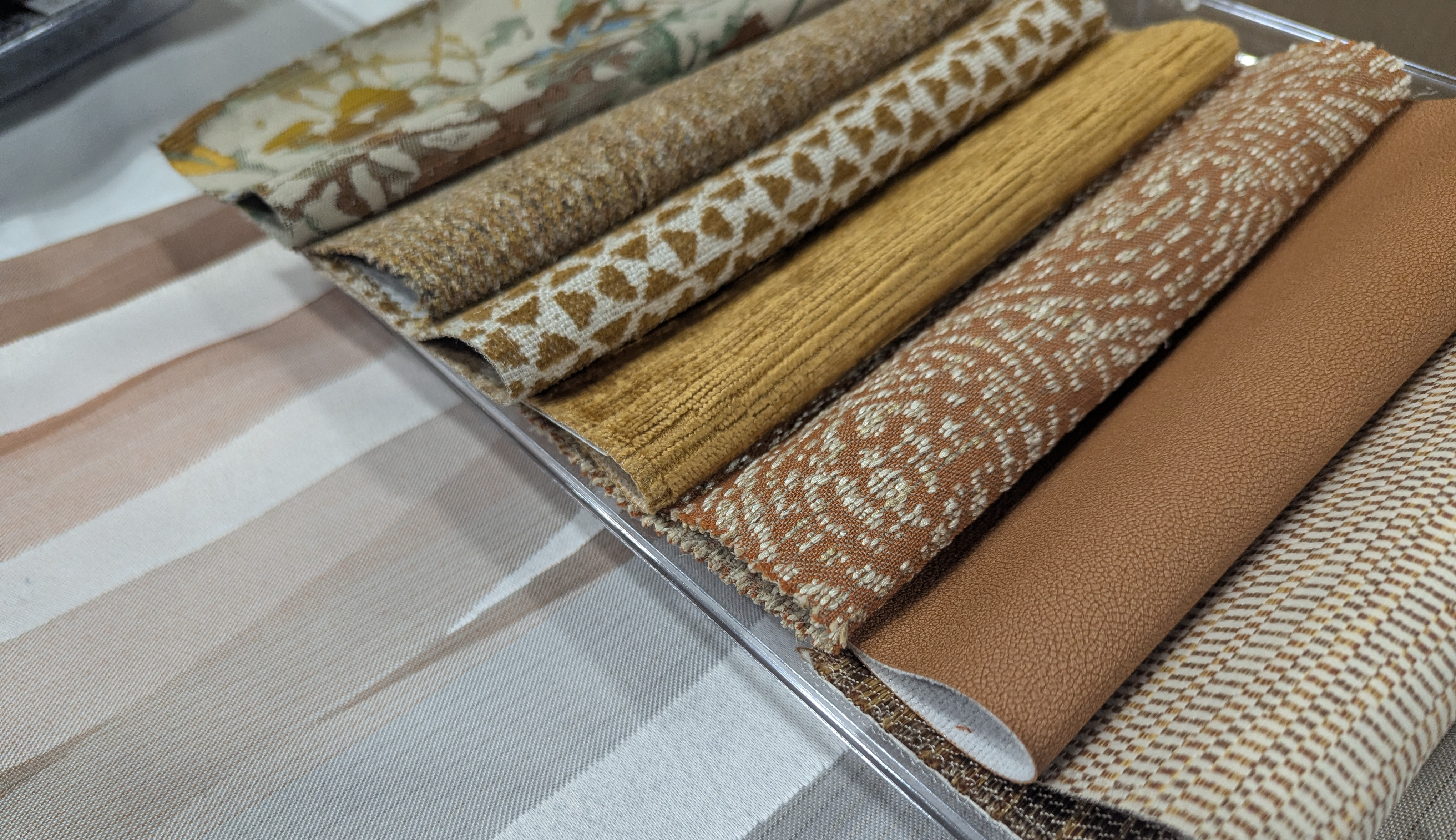
Materiality is playing an equally important role. The type, texture, and color of materials are becoming more intentional components of the experience of a space. Textiles from Momentum, Designtex, and CF Stinson heavily featured natural motifs and rich, earthy colorways to help strengthen the connection to nature while bringing warmth, depth, and visual interest to interiors. Flooring options leaned towards more abstract patterns rather than the traditional stripes or more geometric forms of past times.
Technology as Part of the Experience
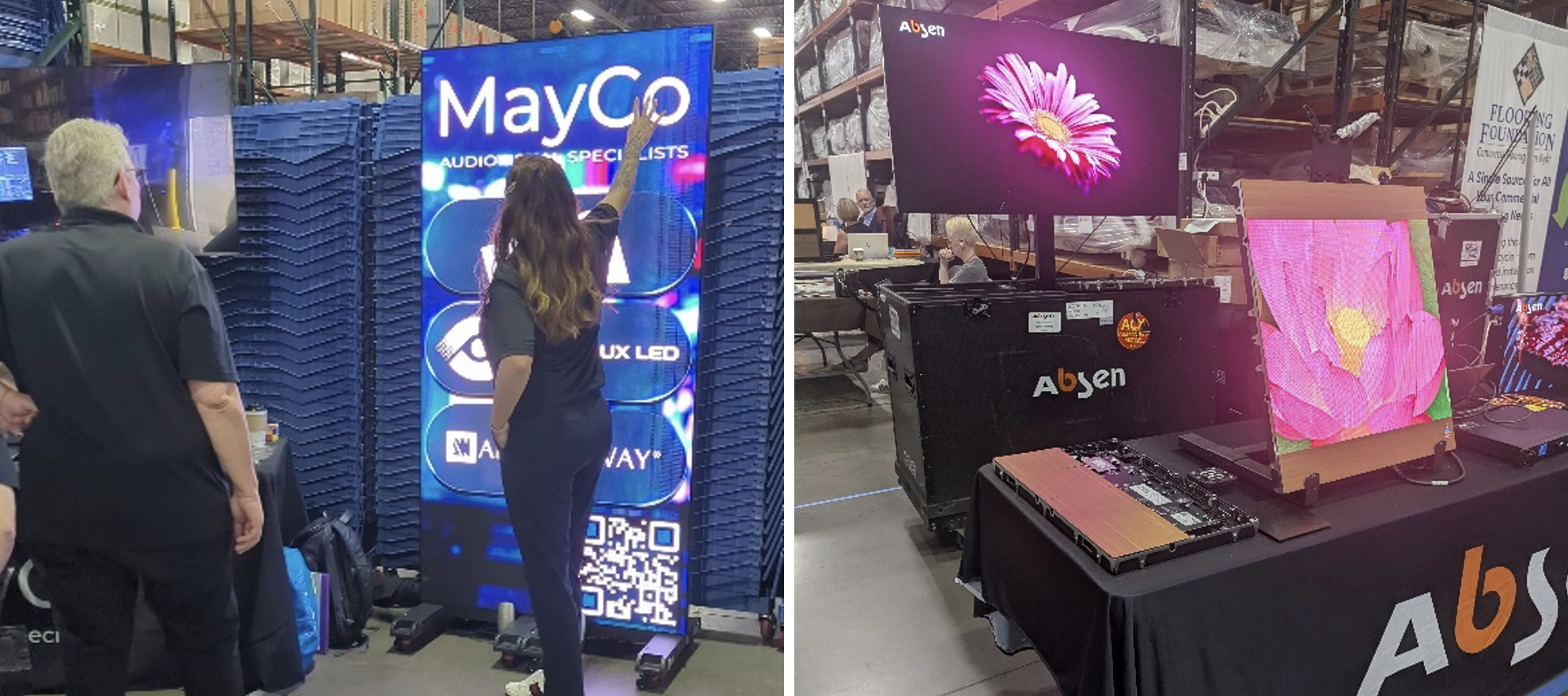
Technology continues to become more deeply integrated into the built environment. Its role extends beyond simply connecting people to one another. Increasingly, technology connects users to the spaces around them, helping create environments that are more immersive, engaging, and responsive. Displays such as those from Absen or MayCo offered unique solutions that allowed for user interactivity rather than simply being pixels to be viewed on a screen.
Just as furniture is becoming more adaptable, technology solutions are becoming more flexible as well, allowing them to respond to specific spaces, applications, and user needs.
Connected by Design
Taken together, the ideas presented at danckerCon point toward a more connected approach to designing environments. Furniture, technology, and materials are no longer separate conversations. They are increasingly working together to create spaces that can adapt to people, support different ways of working and learning, and evolve as needs change.
The takeaway is not simply about what’s new. It’s about how thoughtfully designed elements can connect to one another to create spaces that work better for the people who use them.